Behind the Scenes of Automated Draw Systems Ensuring Transparency in Swiss Lottery Operations
Gisela Wolf · Sep 20, 2026

Behind the Scenes of Automated Draw Systems Ensuring Transparency in Swiss Lottery Operations
Swiss lottery operations depend on automated draw systems that combine certified random number generators with layered verification protocols, and these setups have operated continuously through multiple draws including those scheduled for September 2026. The technology integrates hardware security modules, cryptographic seals, and independent oversight to produce results that meet strict regulatory standards set by Swiss authorities.
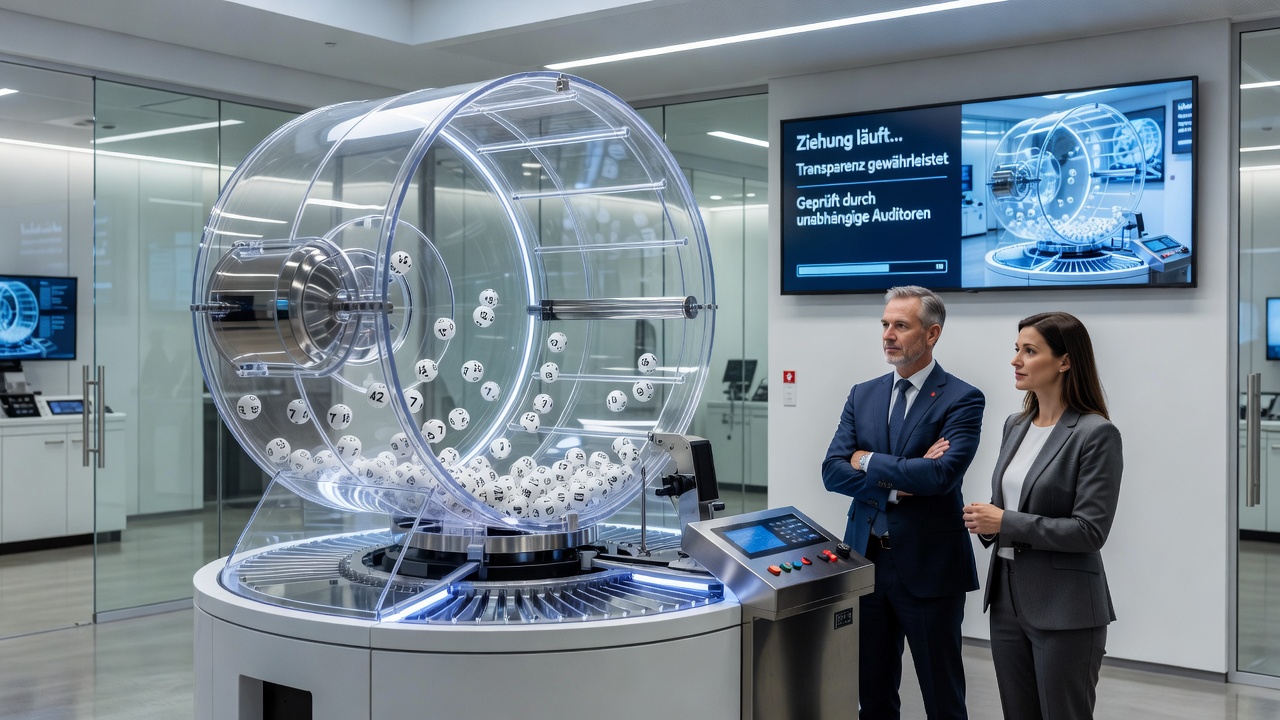
Observers note that each draw cycle begins with a pre-draw integrity check where system operators run diagnostic sequences on the random number generator hardware, while external auditors monitor the process through secure remote connections. Data logs capture every command and output in real time, creating an immutable record that regulators can access for post-draw reviews.
Core Components of the Automated Systems
Hardware-based random number generators form the foundation, and these devices undergo certification according to international standards before deployment in Swiss facilities. Software layers then handle ticket validation, prize tier calculations, and result distribution across official channels, while redundant servers maintain uptime during high-volume periods such as the September 2026 jackpot cycles.
Security protocols include air-gapped networks for the core generator, encrypted data transmission for result broadcasting, and multi-party authentication keys that require simultaneous approval from lottery officials and regulatory representatives. One study from the European Association of State Lotteries examined similar implementations and reported that such measures reduce single-point failure risks by distributing control across separate entities.
Verification and Audit Procedures
Independent testing laboratories conduct quarterly evaluations of the random number generator performance, measuring statistical randomness against predefined thresholds, and Swiss regulators publish summary reports that detail any deviations or corrective actions taken. Public access to these summaries appears on official lottery portals, allowing participants to review draw statistics from past months including September 2026 outcomes.
Live draw broadcasts supplement the automated process by displaying real-time system outputs alongside manual verification steps, and observers from accredited media outlets attend select sessions to witness the seal-breaking and initialization sequences firsthand. This combination of automation and human oversight creates multiple checkpoints that together maintain the integrity of results.
Regulatory Framework in Switzerland
The Swiss Federal Council oversees lottery licensing through the Federal Gaming Board, which mandates that all automated systems comply with data protection rules and transparency requirements outlined in federal ordinances. Operators must submit annual compliance filings that detail system upgrades, incident responses, and audit findings, and these documents remain available for public inspection upon request.
Cross-border coordination with neighboring lottery associations further strengthens oversight, as shared technical standards allow for comparative analysis of draw fairness across jurisdictions. Researchers at institutions such as the University of Zurich have analyzed long-term draw data from Swiss operations and confirmed that results align with expected probability distributions over multi-year periods.
Operational Practices During Peak Periods
During high-stakes draws such as those in September 2026, additional monitoring teams remain on site to track system performance metrics including latency, error rates, and backup activation times. Automated alerts notify supervisors of any anomalies, triggering predefined escalation procedures that involve both internal staff and external regulators.
Ticket sales data feeds into the draw preparation phase through secure interfaces that prevent last-minute alterations, while post-draw reconciliation processes match winning numbers against the full ticket database to calculate prize pools accurately. The entire sequence concludes with the publication of detailed result breakdowns that include statistical breakdowns and audit attestations.
Conclusion
Automated draw systems in Swiss lottery operations integrate certified technology, regulatory oversight, and public reporting mechanisms that together support consistent result generation. Continued application of these protocols through periods like September 2026 demonstrates how the framework adapts to operational demands while preserving verifiable transparency for all participants.