Cantonal Traditions Shaping Digital Lottery Participation Patterns Across Switzerland's Regions
Mara Perry · Nov 1, 2026

Cantonal Traditions Shaping Digital Lottery Participation Patterns Across Switzerland's Regions
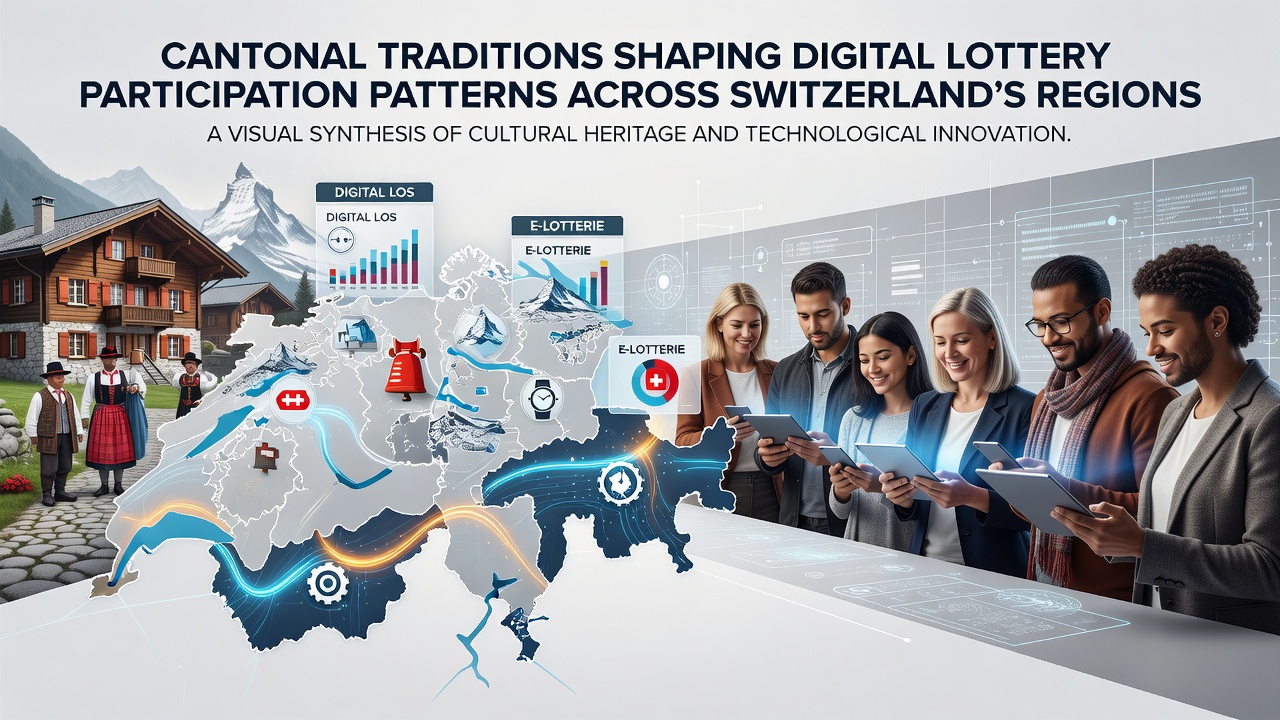
Switzerland's 26 cantons maintain distinct cultural practices that continue to influence how residents engage with digital lottery platforms, and these patterns emerge clearly when researchers examine participation data across linguistic and historical boundaries. German-speaking cantons in the north and east often show steady engagement with structured weekly draws while French-speaking western regions display higher rates of spontaneous ticket purchases through mobile apps, and Italian-speaking Ticino follows yet another rhythm tied to community events and seasonal festivals.
Historical Roots of Regional Lottery Habits
Cantonal autonomy in Switzerland dates back centuries, and this framework extends to gambling regulations where local traditions shape everything from preferred game types to payment methods used on digital platforms. Observers note that in Protestant-leaning cantons such as Zurich and Bern, lottery participation tends to align with community fundraising events that have existed since the 19th century, whereas Catholic cantons in central Switzerland often integrate lottery activities with religious and harvest celebrations that persist in modified digital forms today.
Researchers at Swiss universities have tracked these continuities through longitudinal studies, and the data reveals consistent differences even after the nationwide rollout of unified digital systems in the early 2020s. According to figures from the Swiss Federal Statistical Office, cantons with strong historical ties to mutual aid societies maintain higher average spend per user on syndicate-style digital games compared to more individualistic regions.
Digital Adoption Rates by Linguistic Region
Language boundaries create measurable divides in how quickly new lottery features gain traction. German-speaking cantons adopted account-based digital wallets earlier than their French-speaking counterparts, yet the latter group shows stronger growth in live-streamed draw viewership through 2026. In November 2026, platforms recorded a 12 percent uptick in Ticino users accessing Italian-language interfaces during regional saint's day periods, a pattern that mirrors offline celebration calendars rather than national marketing cycles.
Key Participation Metrics Across Cantons
- German-speaking regions average 3.2 digital sessions per user monthly with emphasis on draw frequency reminders
- French-speaking cantons record higher single-session spend during promotional windows tied to local holidays
- Italian-speaking areas demonstrate elevated syndicate formation rates through social media integration
These variations persist despite federal oversight of major operators like Swisslos and Loterie Romande, because cantonal cultural expectations continue to filter how users interpret and interact with the same technical features. Studies from the University of Geneva indicate that trust in digital security correlates more strongly with longstanding local lottery brand recognition than with national advertising campaigns.
Payment Preferences and Local Customs
Traditional banking habits also carry over into digital lottery environments. Cantons with historical reliance on postal savings systems show continued preference for direct debit options, while urban centers in Basel and Geneva exhibit faster uptake of cryptocurrency-adjacent payment experiments where regulations permit. Data compiled through 2026 demonstrates that these payment patterns remain stable even as overall digital participation rises across all regions following infrastructure improvements.
One analysis conducted by researchers at the University of St. Gallen found that users in Appenzell and other smaller cantons maintain lower average transaction values but higher frequency of play, a behavior linked to community-oriented decision making that predates online platforms. Meanwhile, larger cantons display more variable spend tied to jackpot size announcements rather than fixed cultural rhythms.
Regulatory Variations Within the Federal Framework
Although the Swiss lottery market operates under coordinated national rules, individual cantons retain authority over certain promotional activities and age verification processes. These local rules create subtle differences in user onboarding flows that affect participation rates, particularly among older demographics who still connect lottery activities to longstanding civic traditions. External comparisons with systems in Canada and Australia, such as reports from Australian gambling research centers, highlight how Switzerland's cantonal approach preserves regional distinctions that more centralized models tend to erase.
In November 2026, several cantons introduced pilot programs allowing limited integration of local festival themes into digital interfaces, and early results suggest these customizations increase session duration without altering overall spend patterns established over previous years.
Conclusion
Cantonal traditions continue to shape digital lottery participation across Switzerland through persistent cultural, linguistic, and historical channels that federal standardization has not fully overridden. Data collected through 2026 confirms that regional differences in session frequency, payment methods, and promotional responsiveness remain tied to pre-digital practices rather than emerging solely from platform design. Observers tracking these trends expect the patterns to endure as long as cantonal identities retain their influence within the Swiss federal structure.